Published on
June 5, 2025
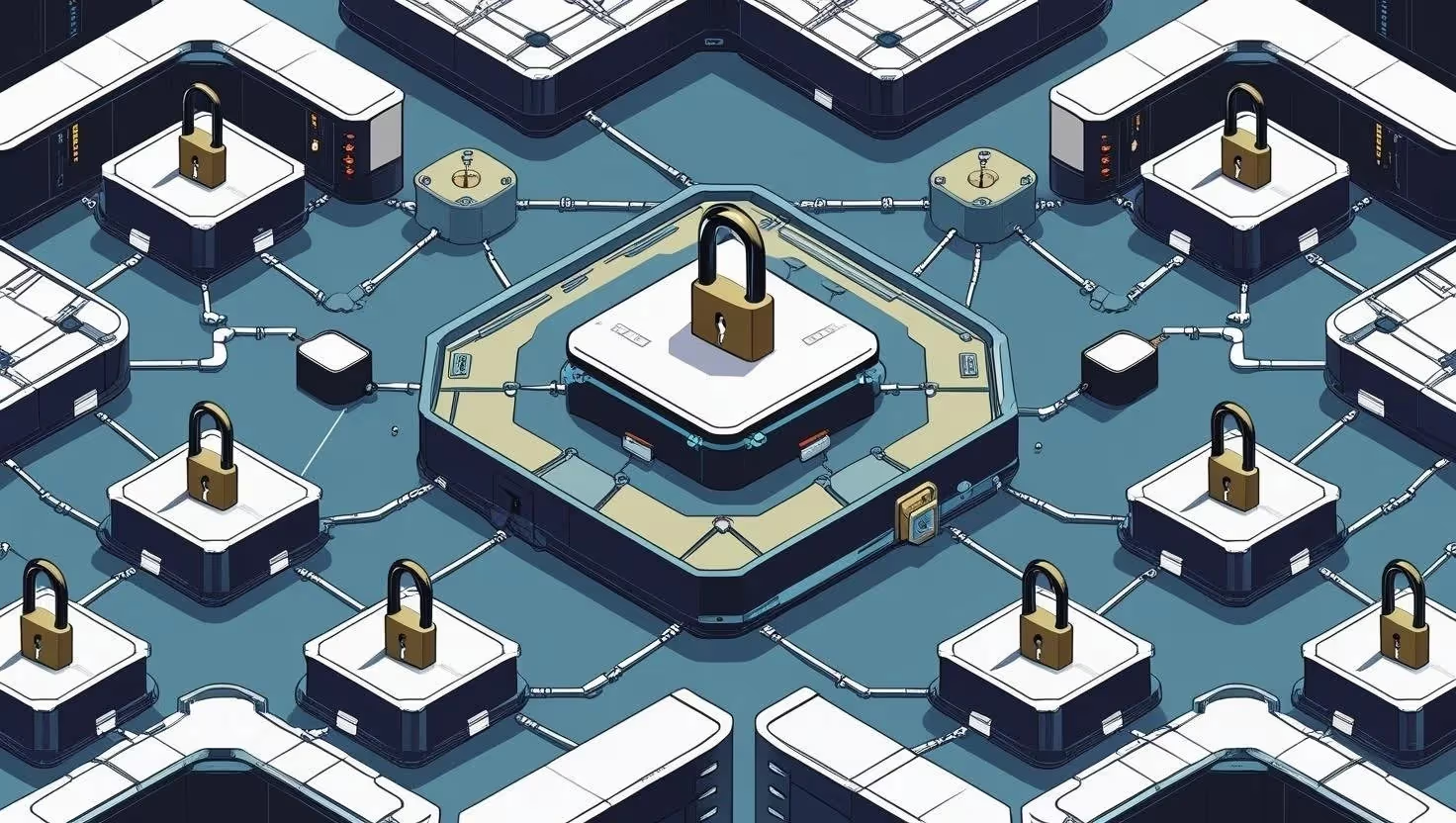
Distributed Data Networks (DDNs) are advanced data storage systems that distribute data across multiple locations instead of in one centralized server location. DDNs serve as the ultimate data safety net by providing information security and powerful computing for those who leverage it. By storing data copies across many sites, DDNs keep critical systems running even if one location fails—like having a backup to the backup generators when a storm hits.
Advanced encryptions in DDNs serve to protect sensitive data, which is vital given the rising threats to utilities and the need to separate manufacturer and customer information from other parties. DDNs are designed to run on existing infrastructure, saving costs compared to building new data centers, and they easily handle growing data.
DDNs maintain high-speed data storage and transfer capabilities, ensuring robust security measures without compromising performance or efficiency. This combination of reliability, security, and cost-effectiveness makes DDNs an ideal solution for enabling seamless, trustworthy communication and transactions within utility industry operations.
At their core, DDNs are peer-to-peer network systems where data and applications are replicated across multiple nodes/locations, eliminating reliance on a single centralized point. Data is securely divided up but stored close to where it needs to be served, ensuring seamless access and resilience against failures. This distributed model contrasts with centralized systems, which introduce single points of failure that can disrupt entire networks if compromised.
Why a DDN?
A distributed approach to data storage provides significant improvements to performance, security, and network scalability, while reducing cost. These factors make it an ideal choice for large applications that demand consistent availability and resilience against failures. The distributed nature of DDNs ensures that should one server or location experience downtime, others seamlessly take over, preventing outages and ensuring continuous service.
Further enhancements to cybersecurity can be made by introducing advanced protocols, ensuring data is protected against hackers and malware. Embracing this innovation not only improves efficiency and scalability but also builds a robust and resilient foundation for the future of the industry.
Operational Advantages of DDNs
DDNs deliver operational resilience and efficiency, addressing key challenges in data management. As a result, the combination of a DDN with Utilen’s artificial intelligence is a no-brainer. By backing the secure network infrastructure of Utilen with distributed technology, we are able to run a platform with compounding industry data that is secure, cost-effective, scalable and high-performing.
The utility sector faces escalating cyber threats, with smart grids and Supervisory Control and Data Acquisition (SCADA) systems as prime targets. Additionally, each of us in this sector maneuvers different types of information that may not necessarily be advantageous to share with every other party (e.g. technical product data, specs and drawings should be shared with end customers, but competing manufacturers should not have access). By supporting data storage and performance with a DDN, we access a robust defense through:
The electric utility market operates within a complex ecosystem of interactions and transactions with data as its lifeblood. DDNs align with the industry’s shift towards digital transformation, enabling utilities to:
Distributed Data Networks represent a paradigm shift for the electric utility market, offering a secure, scalable, cost-effective and high-performance solution to modern data challenges. By leveraging existing infrastructure, enhancing cybersecurity, and supporting data-centric activities, DDNs empower utilities to navigate the digital era with confidence.
Utilizing a platform like Utilen, backed by decentralized storage, will not only drive operational excellence but also position utility industry players as leaders in innovation and growth. We believe in security and future-proofing. We built for resilience.